---
title: "The New Economics of Yacht Ownership: How Greece's Charter Boom Is Rewriting the Rules"
description: "The New Economics of Yacht Ownership: How Greece's Charter Boom Is Rewriting the Rules"
image: https://blog.ekkayachts.com/hubfs/Studio-Reskos_10877-jpg.jpeg
---
- [Home](http://www.ekkayachts.com/)
- [Exclusive Dealership](http://www.ekkayachts.com/exclusive-dealership)
- [Yacht Charters](http://www.ekkayachts.com/yacht-charters)
- [Purchase a Yacht](http://www.ekkayachts.com/purchase-a-yacht)
- [Sell your Yacht](http://www.ekkayachts.com/sell-your-yacht)
- [Charter Management](http://www.ekkayachts.com/charter-management)
- —
- [News & Events](http://www.ekkayachts.com/news-events)
- [About EKKA Yachts](http://www.ekkayachts.com/about-ekka)
- [Stay in touch](http://www.ekkayachts.com/stay-in-touch)
- [Contact us](http://www.ekkayachts.com/contact-us)
- [Home](http://www.ekkayachts.com/)
- [Exclusive Dealership](http://www.ekkayachts.com/exclusive-dealership)
- [Yacht Charters](http://www.ekkayachts.com/yacht-charters)
- [Purchase a Yacht](http://www.ekkayachts.com/purchase-a-yacht)
- [Sell your Yacht](http://www.ekkayachts.com/sell-your-yacht)
- [Charter Management](http://www.ekkayachts.com/charter-management)
- —
- [News & Events](http://www.ekkayachts.com/news-events)
- [About EKKA Yachts](http://www.ekkayachts.com/about-ekka)
- [Stay in touch](http://www.ekkayachts.com/stay-in-touch)
- [Contact us](http://www.ekkayachts.com/contact-us)
×
# The Yachtsman Report
## The New Economics of Yacht Ownership: How Greece's Charter Boom Is Rewriting the Rules
Posted by [EKKA YACHTS](https://blog.ekkayachts.com/blog/author/ekka-yachts) on Jul 31, 2026, 5:34:11 PM

Find me on:
[Facebook](https://www.facebook.com/ekkayacht) [LinkedIn](https://www.linkedin.com/company/ekka-yachts/)
- [Tweet](https://twitter.com/share)
# 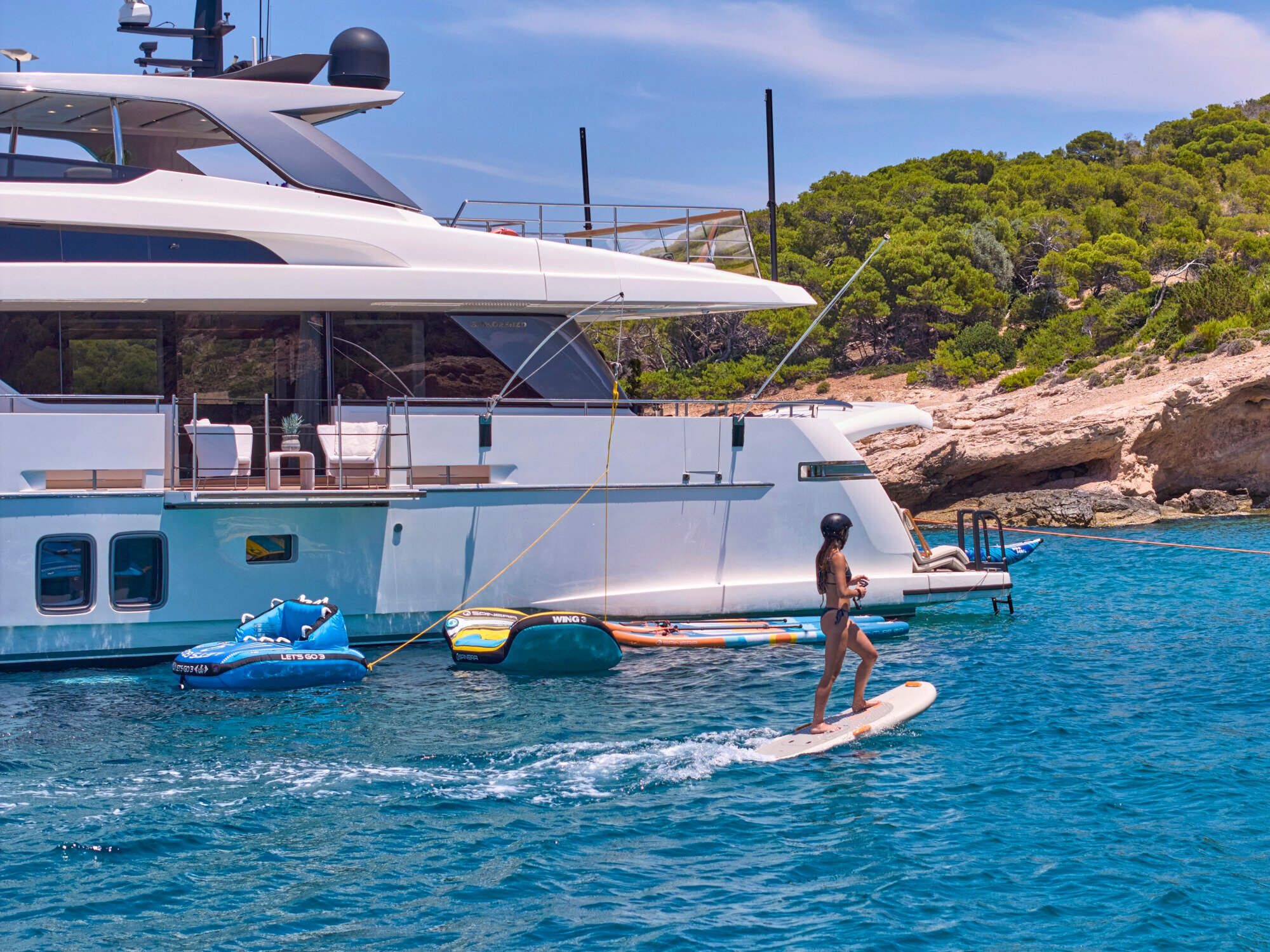
For decades, the arithmetic of yacht ownership was simple and largely unforgiving: you bought a yacht because you loved it, not because it made financial sense. A new build depreciated the moment it left the shipyard. A used yacht bled money in maintenance, crew, berthing, and running costs, with little prospect of recouping any of it. Owning a yacht was, in the truest sense, a luxury — a pleasure to be paid for, not an asset to be managed. Over the last decade, however, Greece has quietly become the proving ground for a very different model, one where owning a professionally crewed yacht can generate real income, offset real costs, and in some cases retain more value than anyone would have predicted ten years ago.
## Why Greece, and why now
Greece's rise as the Mediterranean's charter capital didn't happen by accident, but it also didn't happen because of any single factor. It happened because several things aligned at once.
The country's natural assets were never in question — few places on earth offer the combination of coastline, island-hopping variety, archaeological depth, and cultural richness that the Greek seas provide. What changed is that this natural appeal was matched, for the first time, by the practical conditions charter guests and owners actually look for: political stability and a strong security environment, at a time when other parts of the Eastern Mediterranean have looked considerably less predictable. Greece became not just beautiful, but dependable — and in an industry built on high-value guests planning holidays months in advance, dependability matters as much as scenery.
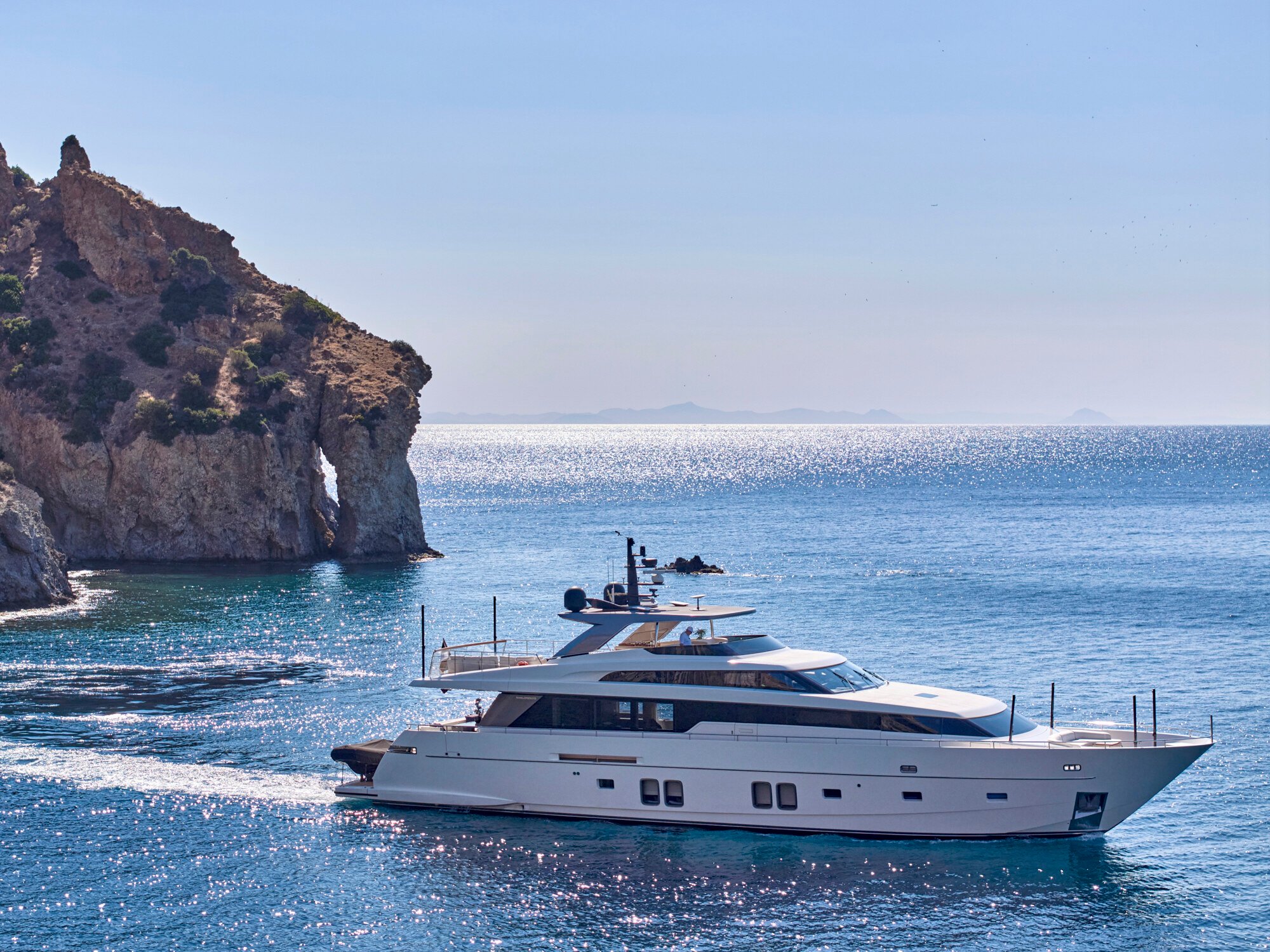
Alongside this, the regulatory and fiscal environment evolved in ways that made Greece genuinely competitive against long-established charter markets like Italy and France. Licensing and operational frameworks for professionally crewed charter yachts became more streamlined, and cruising regulations — particularly around anchoring — were relaxed in ways that gave captains and guests more freedom to explore rather than being tied to congested marinas. On the fiscal side, a reduced VAT regime on charter contracts, combined with more favourable fuel taxation for commercial yachts, meaningfully lowered the cost of operating a charter business in Greek waters compared to its neighbours. For owners and management companies running the numbers, Greece increasingly offered a better net return for the same yacht, doing the same job, sailing the same sea.
The result has been a decade of sustained growth in the number of professionally crewed yachts entering the Greek charter fleet — a trend that has changed not just where owners choose to base their yachts, but why they choose to own one at all.
## From cost centre to income stream
This is the part of the story that deserves the most attention, because it represents a genuine structural shift rather than a cyclical one.
Historically, an owner accepted that a yacht would lose money — the only question was how much, and how fast. A new yacht lost value on the balance sheet from day one, regardless of how it was used. A used yacht, meanwhile, lost money operationally, since running costs rarely found any offsetting revenue. Ownership was a pure expense, softened only by the pleasure it delivered.
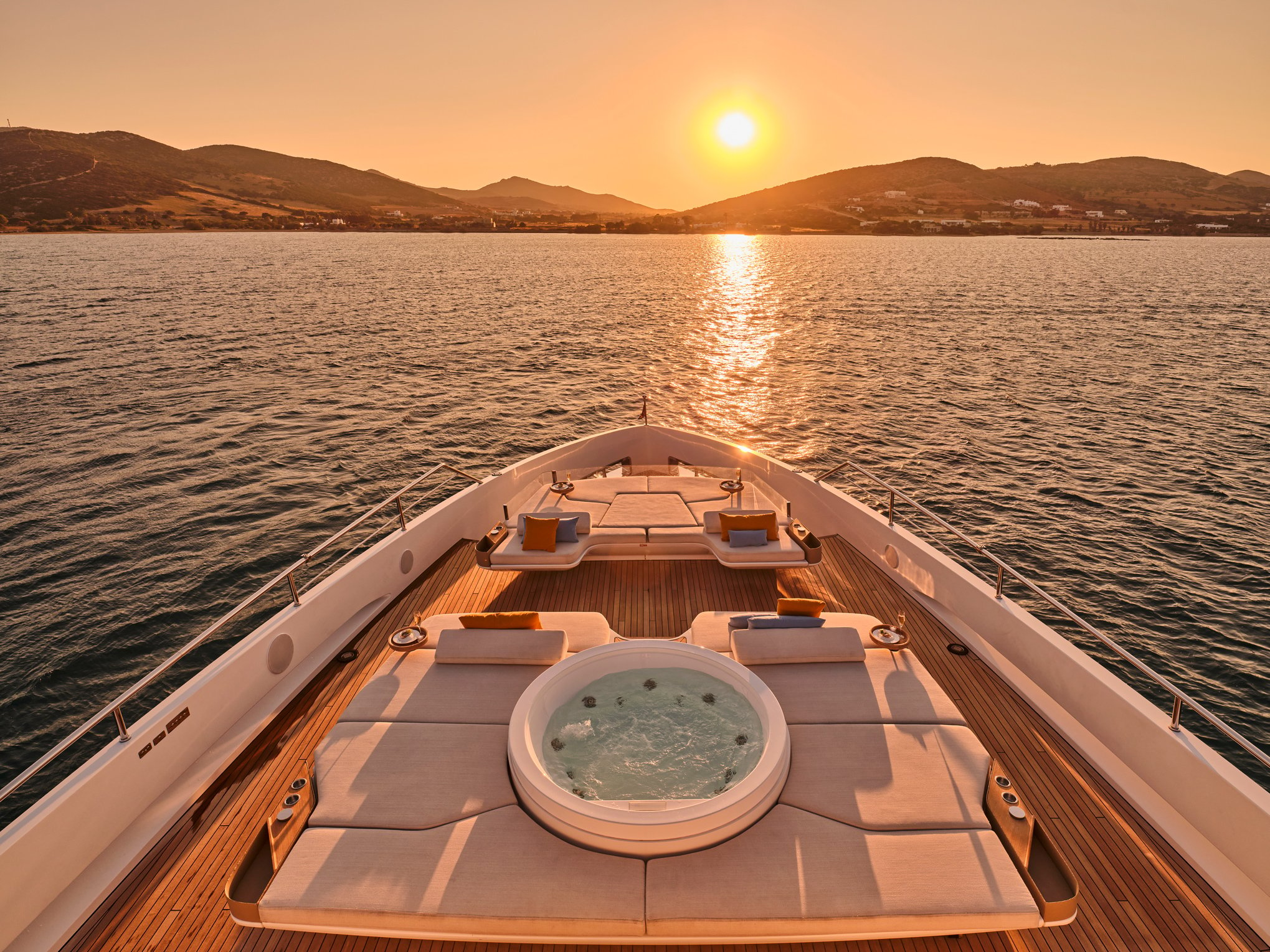
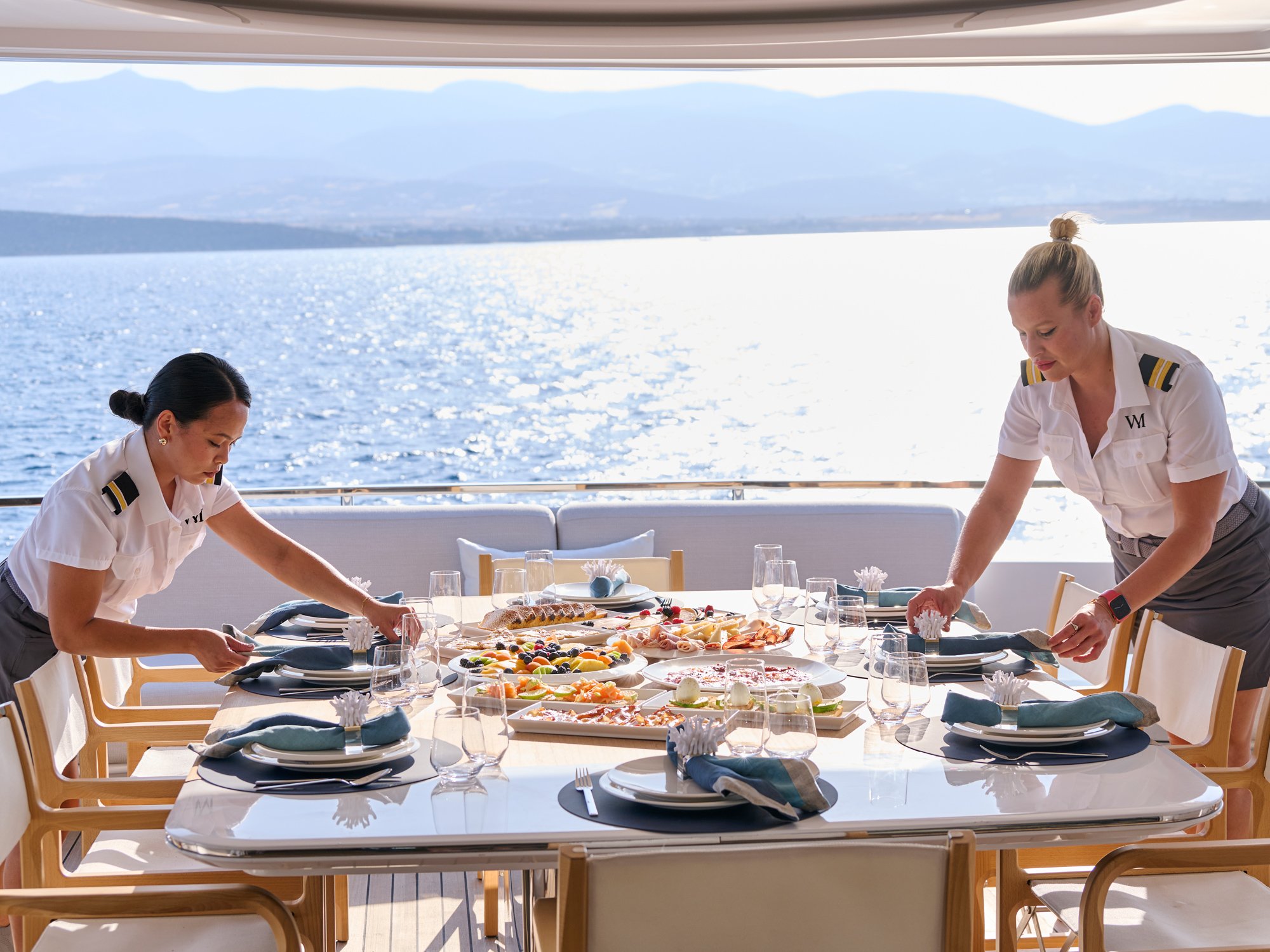
The maturing charter market has broken that assumption. A professionally managed yacht placed into charter is no longer simply a possession — it is a platform capable of generating a steady, plannable income stream, while also giving owners a genuine foothold in the high-end tourism sector, an industry that continues to show resilient demand from a global client base with growing disposable income. For an owner, the yacht is no longer only a cost to be endured for a few weeks of personal use each year; it is an asset that can work when they are not on board.
## A self-reinforcing cycle
What makes this shift particularly interesting is how it has started to feed on itself, reshaping buying behaviour across the market.
Because charter demand increasingly favours newer, better-specified yachts — guests booking a week's charter at a premium price point expect modern amenities, current design standards, and yachts in excellent condition — owners looking to maximise their charter income are being drawn toward newer tonnage. This is a marked change from a market where age and condition were secondary considerations to size or brand.
This shift in buying habits has, in turn, begun to influence depreciation curves themselves. As demand concentrates on newer yachts suited to charter operation, resale values for well-maintained, in-demand tonnage are being supported by that same demand, rather than eroding in the way older depreciation models would have predicted. In effect, the charter market is doing something depreciation tables never accounted for: creating a buyer's market for sellers of the right kind of yacht.
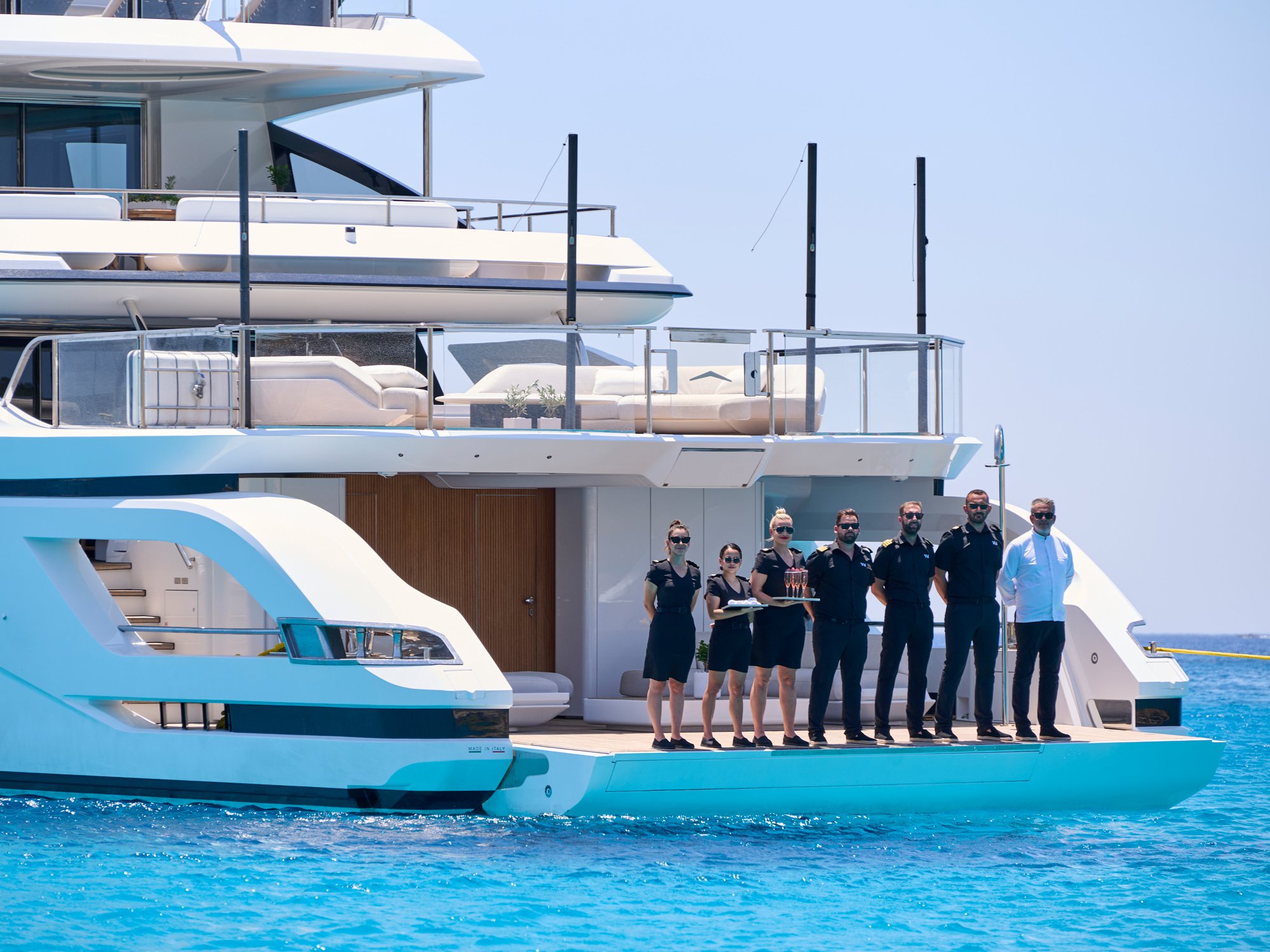
For owners, this closes the loop in a way that fundamentally changes the risk profile of ownership. The capital risk historically associated with buying a yacht — the near-certainty of significant value loss — is being mitigated by stronger resale demand for charter-suitable tonnage. At the same time, the operational advantages of owning a newer yacht remain firmly in place: lower maintenance requirements, fewer unplanned repairs, and lower overall running costs relative to an older vessel doing the same job.
## What this means going forward
None of this suggests that yacht ownership has become a conventional investment, nor should it be approached as one. But the economics have genuinely shifted. Where once an owner weighed the pleasure of ownership against a near-certain financial loss, today's calculation is more nuanced — and, for the right yacht, professionally managed and placed correctly into the charter market, considerably more favourable.
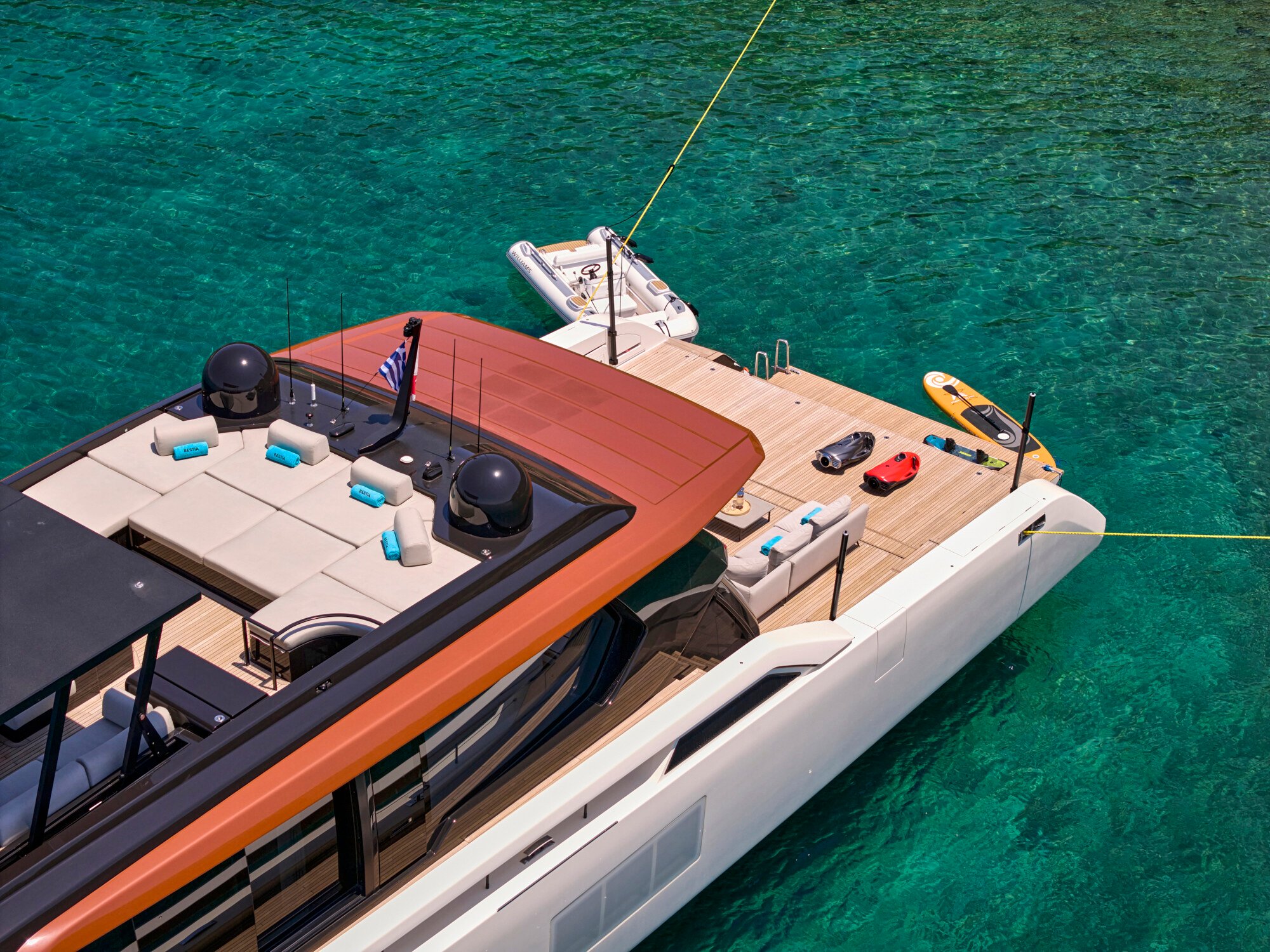
For Greece specifically, this cycle has become a genuine competitive advantage. A stable, well-regulated, fiscally competitive charter environment has attracted a growing professionally crewed fleet; that fleet has, in turn, shifted buyer preference toward newer tonnage; and that shift has begun to support the very depreciation curves that once made ownership such an unforgiving proposition. It is a rare example of a tourism sector, a regulatory environment, and an asset class reinforcing one another — and it is why Greece's yachting industry looks less like a seasonal luxury market today, and more like a maturing, structurally sound sector with a long runway still ahead of it.
Topics: [charter](https://blog.ekkayachts.com/blog/tag/charter), [yachts for sale](https://blog.ekkayachts.com/blog/tag/yachts-for-sale), [superyachts](https://blog.ekkayachts.com/blog/tag/superyachts), [yachting](https://blog.ekkayachts.com/blog/tag/yachting), [sanlorenzo yachts for sale](https://blog.ekkayachts.com/blog/tag/sanlorenzo-yachts-for-sale), [EKKA Yachts](https://blog.ekkayachts.com/blog/tag/ekka-yachts), [sanlorenzo yachts](https://blog.ekkayachts.com/blog/tag/sanlorenzo-yachts), [yacht ownership](https://blog.ekkayachts.com/blog/tag/yacht-ownership)
## Subscribe to "The Yachtsman Report"
### Yachting as we see it
Yachting is deeply "embedded in our DNA" and it is our pleasure to share our 35 years of knowledge and experience with a chosen group of followers. Fill-out your details in the form herein and be part of our "circle of knowledge"!
By signing-up, you will receive periodical emails containing our views and opinions on:
- Industry news such as shipyard news and market news
- New yacht announcements and launches
- General Interest news such as new technologies, trends, materials, legal and tax updates etc.
- New destinations for yachting and itineraries
### Subscribe Here!
### Recent Posts
### Posts By Author
- [EKKA marketing team (9)](https://blog.ekkayachts.com/blog/author/ekka-marketing-team)
- [Ekka Charter Team (7)](https://blog.ekkayachts.com/blog/author/ekka-charter-team)
- [EKKA YACHTS (3)](https://blog.ekkayachts.com/blog/author/ekka-yachts)
- [Panos Touloupiadis (2)](https://blog.ekkayachts.com/blog/author/panos-touloupiadis)
- [EKKA YACHTS - EXCLUSIVE BRANDS (1)](https://blog.ekkayachts.com/blog/author/ekka-yachts-exclusive-brands)
- [Dimitris Kyriazakos (1)](https://blog.ekkayachts.com/blog/author/dimitris-kyriazakos)
See all
ATHENS • MYKONOS • CYPRUS
MEMBER OF
CONTACT EKKA
T: +30 210 984 8992
E: [info@ekkayachts.com](mailto:info@ekkayachts.com)
[CONTACT VIA FORM ›](http://www.ekkayachts.com/contact-us/)
STAY IN TOUCH
- SALES NEWSLETTER ›
- CHARTER NEWSLETTER ›
- BROKERS NEWSLETTER ›
- CREW NEWSLETTER ›
Copyright © 2018 EKKA Yachts.[Privacy Policy](http://www.ekkayachts.com/privacy-policy)